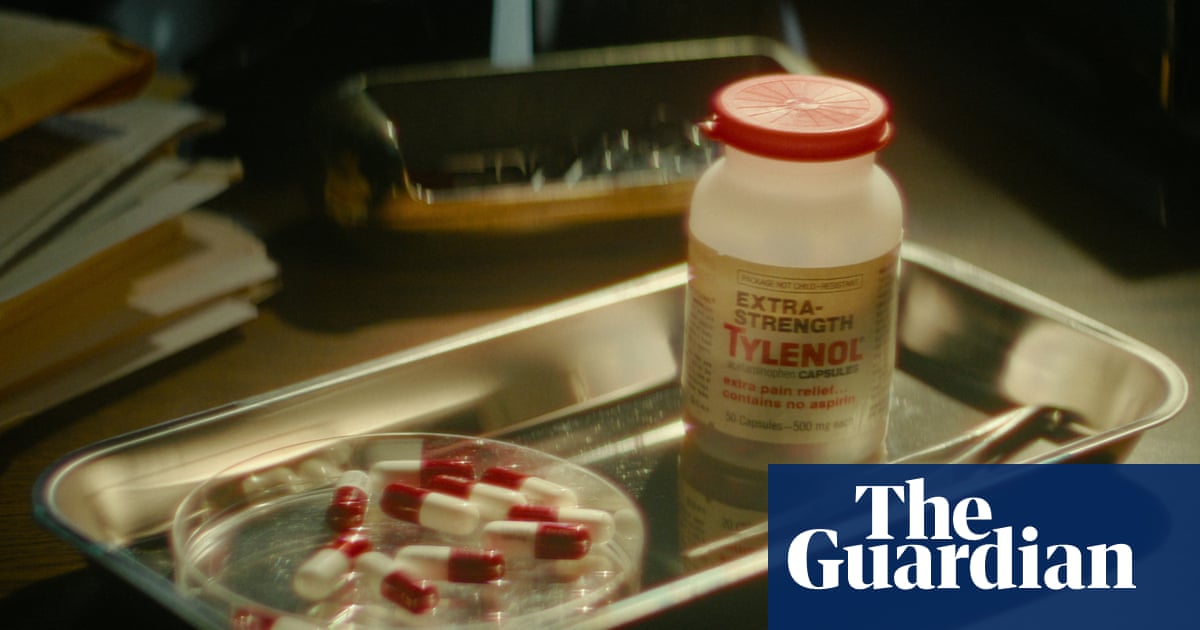
Lewis has always denied any involvement in the Tylenol poisonings, maintaining that he was framed. He has never been charged in connection with the deaths, and the case remains unsolved to this day.
The Netflix docuseries, Cold Case: The Tylenol Murders, sheds new light on this infamous case and explores the impact it had on public safety and the pharmaceutical industry. It delves into the lingering questions and theories surrounding the investigation, offering a comprehensive look at a crime that gripped the nation in the 1980s.
As viewers watch the series, they are taken on a journey through the events that unfolded in Chicago in 1982, from the initial deaths to the nationwide panic that followed. Through interviews with key figures and experts, the docuseries pieces together the puzzle of the Tylenol poisonings, leaving viewers with a deeper understanding of this chilling crime.
Cold Case: The Tylenol Murders is a must-watch for true crime enthusiasts and anyone interested in the intersection of crime, public health, and corporate responsibility. It serves as a reminder of the importance of vigilance and accountability in ensuring the safety of consumer products. The introduction of tamper-evident packaging became standard practice in the pharmaceutical industry following the Tylenol murders, ensuring that consumers could easily detect if a product had been tampered with. Additionally, stricter regulations were implemented to prevent similar incidents from occurring in the future.
Despite the passage of time, the case of the Tylenol murders continues to captivate the public imagination. The mystery surrounding the identity of the perpetrator, as well as the potential involvement of Johnson & Johnson, raises questions about corporate responsibility and the lengths to which companies will go to protect their reputation.
Ultimately, the legacy of the Tylenol murders serves as a cautionary tale about the importance of transparency, accountability, and ethical decision-making in the face of crisis. The actions taken by both James Lewis and Johnson & Johnson in response to the poisonings continue to be scrutinized and debated, highlighting the lasting impact of this tragic event on the pharmaceutical industry and society as a whole. En 1983, el Congreso aprobó el “Proyecto de Ley Tylenol”, convirtiendo en un delito federal manipular productos de consumo.
Johnson & Johnson, en colaboración con la Administración de Alimentos y Medicamentos (FDA), introdujo nuevos envases a prueba de manipulaciones, incluyendo sellos de aluminio y otras características diseñadas para hacer evidente cualquier manipulación. Estos requisitos de envases a prueba de manipulaciones pronto se convirtieron en el estándar de la industria para todos los medicamentos de venta libre. Johnson & Johnson también introdujo una nueva forma del medicamento, la “capleta”, que era más difícil de manipular que las cápsulas antiguas.
Algunas familias de las víctimas creen que el enfoque en Lewis pudo haber impedido una investigación exhaustiva de otros posibles culpables. Las entrevistas del FBI con ejecutivos de Johnson & Johnson siguen bajo sello hasta el día de hoy.
Guendelman dice: “Esperamos que al hacer este documental, el FBI examine otras posibles direcciones que nunca exploraron. Cada caso puede resolverse, especialmente un caso tan grande que desencadena una gran investigación, tiene millones de pruebas relacionadas. Estoy seguro de que hoy en día, con la tecnología y una mirada fresca, hay una oportunidad para resolverlo”.
Pines también espera que el documental anime a los espectadores a ser más escépticos sobre la narrativa establecida. “Es una serie de crímenes reales muy diferente porque cuando vemos un caso de asesinato en una serie, suele ser muy sangriento: generalmente hay un arma homicida, un cuchillo o un arma de fuego, un contacto directo entre el asesino y la víctima.
“Este crimen no tiene motivo, no hay contacto: el arma homicida es básicamente lo más cotidiano que se pueda imaginar, algo inocente, y esto es lo que realmente lo hace tan aterrador, mucho más que el asesinato más sangriento – esta sensación inquietante de que algo que se supone que te haga sentir mejor se convierte en un instrumento de muerte”.